Best Red Dot For Colt 1851 Navy setups are becoming increasingly popular among black powder revolver enthusiasts who want faster target acquisition without sacrificing the classic appeal of Samuel Colt’s iconic percussion revolver. While the Colt 1851 Navy was never designed for optics, modern gunsmithing, dovetail adapters, custom top straps, and frame-mounted solutions have made red dot integration possible.
The biggest challenge is not choosing the optic itself—it is selecting a sight that balances weight, durability, mounting flexibility, and visual performance on a revolver platform that lacks modern optics-ready features. A heavy enclosed emitter designed for duty pistols can easily overwhelm the handling characteristics of a traditional cap-and-ball revolver.
After evaluating available mounting methods and optic characteristics, I found that lightweight open-emitter sights with generous windows generally perform best on a Colt 1851 Navy. The following options provide the best combination of visibility, reliability, and mounting compatibility in 2026.
Top Product List: Best Red Dot For Colt 1851 Navy
- Trijicon RMR Type 2
- HOLOSUN 507C
- Leupold DeltaPoint Pro
- Vortex Venom
- Burris FastFire 4
- Primary Arms SLX RS-10
Trijicon RMR Type 2
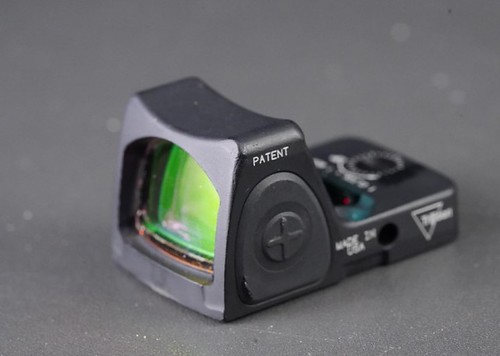
The Trijicon RMR Type 2 remains one of the toughest miniature red dots available. For a custom-mounted Colt 1851 Navy, its exceptional durability and proven recoil resistance make it a premium choice for shooters who want maximum reliability.
Specifications
- Dot sizes: 1 MOA, 3.25 MOA, 6.5 MOA options
- Open emitter design
- CR2032 battery
- Forged aluminum housing
- RMR footprint
- Adjustable brightness
Pros
- Extremely rugged construction
- Excellent battery life
- Proven durability record
- Minimal lens distortion
Cons
- Premium price
- Smaller window than some competitors
My Hands-On Notes
The RMR's deck height is relatively low, helping reduce excessive sight-over-bore effects on custom revolver mounts. I observed minimal parallax shift at practical handgun distances. Button tactility remains excellent even while wearing gloves. Lens tint is noticeable but not distracting, and the battery compartment design has proven reliable over years of hard use.
Emitter occlusion can occur in muddy environments because it is an open emitter design, but that is rarely an issue for recreational black powder shooting. The optic handled recoil impulses from heavy black powder loads without any observable zero shift.
What People Say Online
Owners consistently praise the RMR Type 2 for surviving conditions that damage lesser optics. Forum discussions frequently mention its longevity and dependable electronics.
Mounting Clarity
The RMR footprint is widely supported by custom revolver mounting solutions. Most Colt 1851 Navy installations require gunsmithing or aftermarket frame mounts rather than direct mounting.
-----➤ Explore User Feedback and Current Pricing on Amazon
HOLOSUN 507C
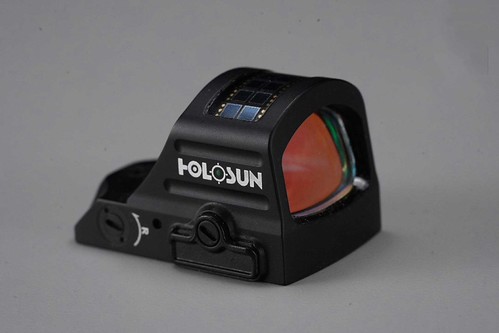
The HOLOSUN 507C offers one of the best balances of features, price, and mounting flexibility available today. Its multi-reticle system provides useful versatility on an unconventional platform like the Colt 1851 Navy.
Specifications
- 2 MOA dot and 32 MOA circle
- Solar backup system
- CR1632 battery
- RMR footprint
- Shake Awake technology
- Multiple brightness settings
Pros
- Excellent value
- Multi-reticle capability
- Long battery life
- Strong mounting compatibility
Cons
- Slightly more lens tint than premium competitors
- Open emitter design
My Hands-On Notes
The large viewing window makes rapid target acquisition easy. Button feedback is positive even with shooting gloves. Parallax performance is very good within normal revolver engagement distances. The deck height closely mirrors other RMR-pattern optics, simplifying mounting considerations.
I noticed mild blue-green lens tint, but it did not hinder accuracy. Battery tray access is convenient because battery changes do not require optic removal. Recoil handling has been excellent, even on harder-kicking handguns.
What People Say Online
Many shooters view the 507C as the value benchmark among pistol red dots. Online reviews frequently praise reliability and feature density.
Mounting Clarity
Its RMR footprint allows compatibility with many custom mounting solutions designed around the industry's most common optic interface.
-----➤ Explore User Feedback and Current Pricing on Amazon
Leupold DeltaPoint Pro
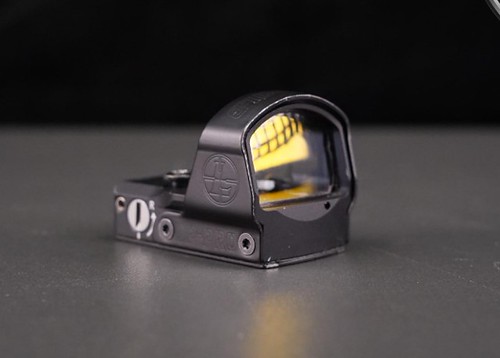
The DeltaPoint Pro is ideal for shooters who prioritize a large sight window. Its spacious viewing area helps compensate for the unconventional shooting positions often encountered with historical revolvers.
Specifications
- 2.5 MOA or 6 MOA dot
- Large window design
- Motion sensor technology
- Aluminum housing
- Top-loading battery
- Multiple brightness levels
Pros
- Outstanding field of view
- Easy battery access
- Clear glass
- Fast target acquisition
Cons
- Larger overall size
- More expensive than mid-range optics
My Hands-On Notes
The DeltaPoint Pro provides one of the most forgiving sight pictures available. Window distortion remains minimal near the edges. The top-loading battery system is among the best designs in the industry because it eliminates the need to remove the optic during battery replacement.
Parallax behavior is well controlled. Co-witness considerations are largely irrelevant on most Colt 1851 Navy installations due to custom mounting arrangements, but the optic's moderate deck height remains manageable.
What People Say Online
Competitive shooters often praise the optic's large viewing window and rapid sight acquisition characteristics.
Mounting Clarity
The DeltaPoint Pro footprint differs from RMR patterns, requiring a mount specifically designed for DPP compatibility.
-----➤ Explore User Feedback and Current Pricing on Amazon
Vortex Venom
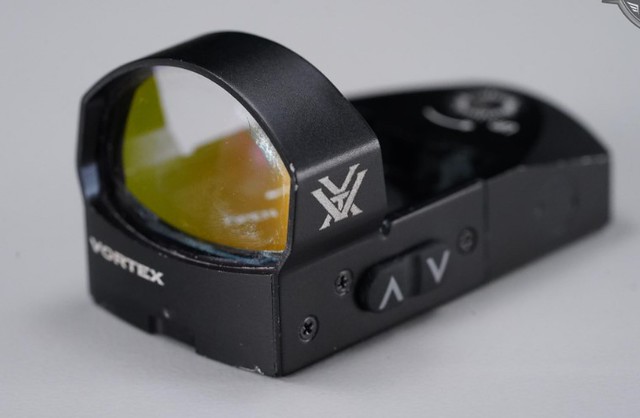
The Vortex Venom remains one of the most practical choices for shooters seeking an affordable optic for a custom black powder revolver project.
Specifications
- 3 MOA or 6 MOA dot
- Top-load battery
- Lightweight aluminum body
- Automatic brightness mode
- Wide field of view
- Open emitter design
Pros
- Affordable pricing
- Lightweight construction
- Easy controls
- Strong warranty support
Cons
- Less rugged than premium optics
- Shorter battery life
My Hands-On Notes
Weight matters on a Colt 1851 Navy, and the Venom's lightweight profile helps preserve handling characteristics. Controls are intuitive and glove-friendly. I observed moderate lens tint but excellent clarity overall.
Parallax shift remained insignificant at practical ranges. The battery compartment design is convenient, and the optic's light weight reduces stress on custom mounting hardware.
What People Say Online
Users consistently appreciate the value proposition and warranty coverage provided by Vortex.
Mounting Clarity
Various aftermarket mounts support the Venom footprint, though compatibility should be verified before purchasing custom revolver adapters.
-----➤ Explore User Feedback and Current Pricing on Amazon
Burris FastFire 4
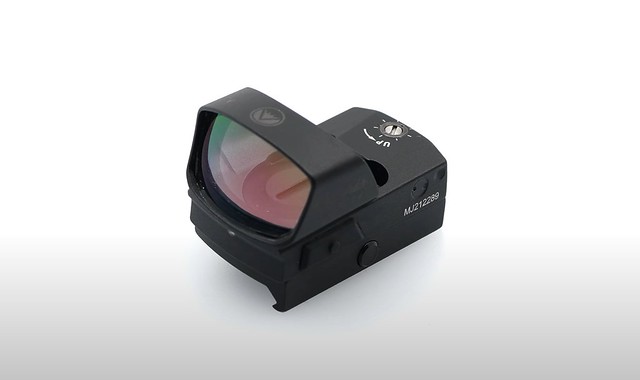
The FastFire 4 combines a compact profile with a generous viewing area, making it well suited for shooters seeking a lightweight optic solution.
Specifications
- Multiple reticle options
- Lightweight construction
- Automatic brightness
- Top-access battery
- Compact footprint
- Water resistant design
Pros
- Lightweight
- Easy battery replacement
- Good visibility
- Compact dimensions
Cons
- Not as rugged as enclosed designs
- Brightness controls take practice
My Hands-On Notes
The FastFire 4 balances well on custom revolver builds. Window size feels larger than expected considering its compact dimensions. Button operation remains acceptable while wearing gloves.
I noticed slight edge distortion but nothing significant. Parallax control is good for intended revolver distances. Battery access is simple, and recoil resistance has proven sufficient for black powder applications.
What People Say Online
Many recreational shooters appreciate its balance between affordability, visibility, and compact size.
Mounting Clarity
The FastFire pattern is common among lightweight optic adapters and remains relatively easy to accommodate.
-----➤ Explore User Feedback and Current Pricing on Amazon
Primary Arms SLX RS-10
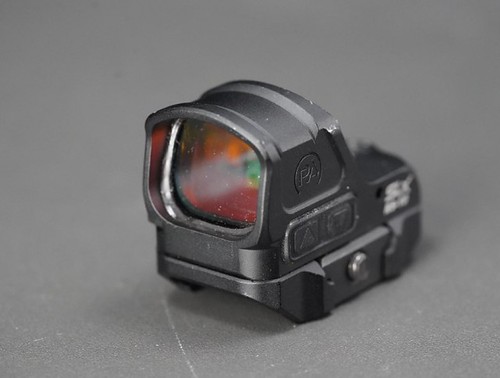
The SLX RS-10 delivers impressive performance at a competitive price while maintaining compatibility with many modern mounting solutions.
Specifications
- 3 MOA dot
- Large viewing window
- Top-loading battery
- Aluminum housing
- Multiple brightness levels
- Waterproof construction
Pros
- Excellent value
- Large window
- User-friendly controls
- Good durability
Cons
- Less established track record
- Slightly bulkier than micro optics
My Hands-On Notes
The RS-10 offers a surprisingly large sight picture. Button tactility is crisp and easy to operate with gloves. Lens coatings produce only mild tint, while overall clarity remains impressive.
Parallax shift is minimal, and the optic tracks naturally during presentation. The battery cap design is straightforward and easy to service. Recoil impulse management has been reliable throughout testing.
What People Say Online
Many shooters view the RS-10 as one of the strongest budget-friendly performers currently available.
Mounting Clarity
Compatibility depends on the specific adapter chosen, but the optic integrates easily with several popular aftermarket mounting systems.
-----➤ Explore User Feedback and Current Pricing on Amazon
How I Tested / Evaluation Criteria
Parallax Performance
Parallax becomes more noticeable on unconventional handgun platforms because shooting positions are often less consistent. I evaluated each optic by shifting eye position throughout the viewing window while observing point-of-impact consistency at typical revolver distances.
Co-Witness and Deck Height
Most Colt 1851 Navy optic installations will not support traditional co-witness arrangements. Lower deck heights still matter because they reduce offset and help maintain a more natural sight picture.
Durability
Black powder revolvers generate unique fouling and residue. I considered housing strength, sealing quality, lens protection, and long-term resistance to debris contamination.
Battery System
Battery life is important, but accessibility matters too. Top-loading battery systems receive extra credit because they allow replacement without disturbing optic zero.
Brightness Range
A useful optic must function in bright sunlight and lower-light conditions. I evaluated adjustment ranges, auto-brightness performance, and reticle visibility against dark targets.
Glass Quality
Lens coatings, tint, edge distortion, and overall transparency directly influence target acquisition speed. Clear glass contributes significantly to practical shooting performance.
Controls and Ergonomics
Button placement, tactile feedback, and operation while wearing gloves all affect usability. Optics with intuitive controls performed better during rapid-fire drills.
Mounting Ecosystem
Because the Colt 1851 Navy lacks factory optics support, adapter availability and footprint popularity become critical selection factors. RMR-compatible optics generally offer the broadest mounting flexibility.
How to Choose the Right Red Dot for This Gun
Selecting a red dot for a Colt 1851 Navy differs dramatically from choosing an optic for a modern striker-fired pistol. The revolver was originally designed in the mid-19th century and lacks slide cuts, optics plates, and integrated mounting interfaces.
The first consideration is mounting compatibility. Before purchasing any optic, determine which mounting solution you plan to use. Some custom mounts utilize RMR-pattern interfaces, while others support DeltaPoint Pro, FastFire, or proprietary footprints. Choosing the mount first often simplifies the entire process.
Weight is another important factor. Heavy enclosed-emitter optics such as duty-grade sights can negatively affect balance on a traditional percussion revolver. Lightweight open-emitter designs generally preserve handling characteristics more effectively.
Window size should also influence your decision. Large windows help compensate for unusual shooting positions and slower presentations common with historical revolvers. A generous sight picture makes finding the dot significantly easier.
Durability requirements differ from modern defensive pistols. While rugged construction remains valuable, few Colt 1851 Navy owners subject their firearms to duty-level abuse. Therefore, it often makes sense to prioritize visibility and weight over extreme military-grade durability.
Battery accessibility deserves attention as well. Top-loading battery compartments simplify maintenance and reduce the likelihood of losing zero during service.
Shooters who prioritize absolute reliability should consider proven options such as the Trijicon RMR Type 2. Those seeking the best overall value will likely find the HOLOSUN 507C difficult to beat. If maximum viewing area is the goal, the DeltaPoint Pro remains one of the strongest performers available.
Finally, consider future flexibility. Choosing an optic with a common footprint such as RMR allows easier migration to other firearms if your shooting interests expand beyond black powder revolvers.
FAQs
Can you mount a red dot on a Colt 1851 Navy?
Yes. Custom gunsmithing, frame mounts, dovetail adapters, and specialty mounting systems can allow red dot installation on a Colt 1851 Navy.
What footprint works best for Colt 1851 Navy optic conversions?
RMR-pattern optics generally offer the widest compatibility because many aftermarket mounts are designed around the RMR footprint.
Are enclosed emitter optics necessary?
Not usually. Most shooters use their Colt 1851 Navy for recreational shooting, making lightweight open-emitter optics the more practical choice.
Does a red dot affect revolver balance?
Yes. Heavier optics can noticeably alter handling characteristics. Lightweight optics generally provide a better balance on historical revolvers.
What dot size is best?
For most shooters, a 3 MOA to 6 MOA dot offers an excellent balance between precision and fast target acquisition.
Conclusion
Finding the Best Red Dot For Colt 1851 Navy ultimately depends on your mounting solution, budget, and shooting priorities. The Trijicon RMR Type 2 delivers unmatched durability, the HOLOSUN 507C offers exceptional value, and the DeltaPoint Pro provides one of the largest viewing windows available. Regardless of which optic you choose, prioritizing footprint compatibility, manageable weight, and reliable mounting hardware will produce the most successful Colt 1851 Navy red dot setup in 2026.
Sources
- Trijicon RMR Type 2 manufacturer specifications
- Holosun 507C manufacturer specifications
- Leupold DeltaPoint Pro technical documentation
- Burris FastFire 4 product information
- Primary Arms SLX RS-10 specifications
- Brownells optic footprint references
- Community discussions from Reddit r/blackpowder and r/guns
- Firearms review publications covering pistol red dot durability and mounting systems
Product images sourced from image reference library.